
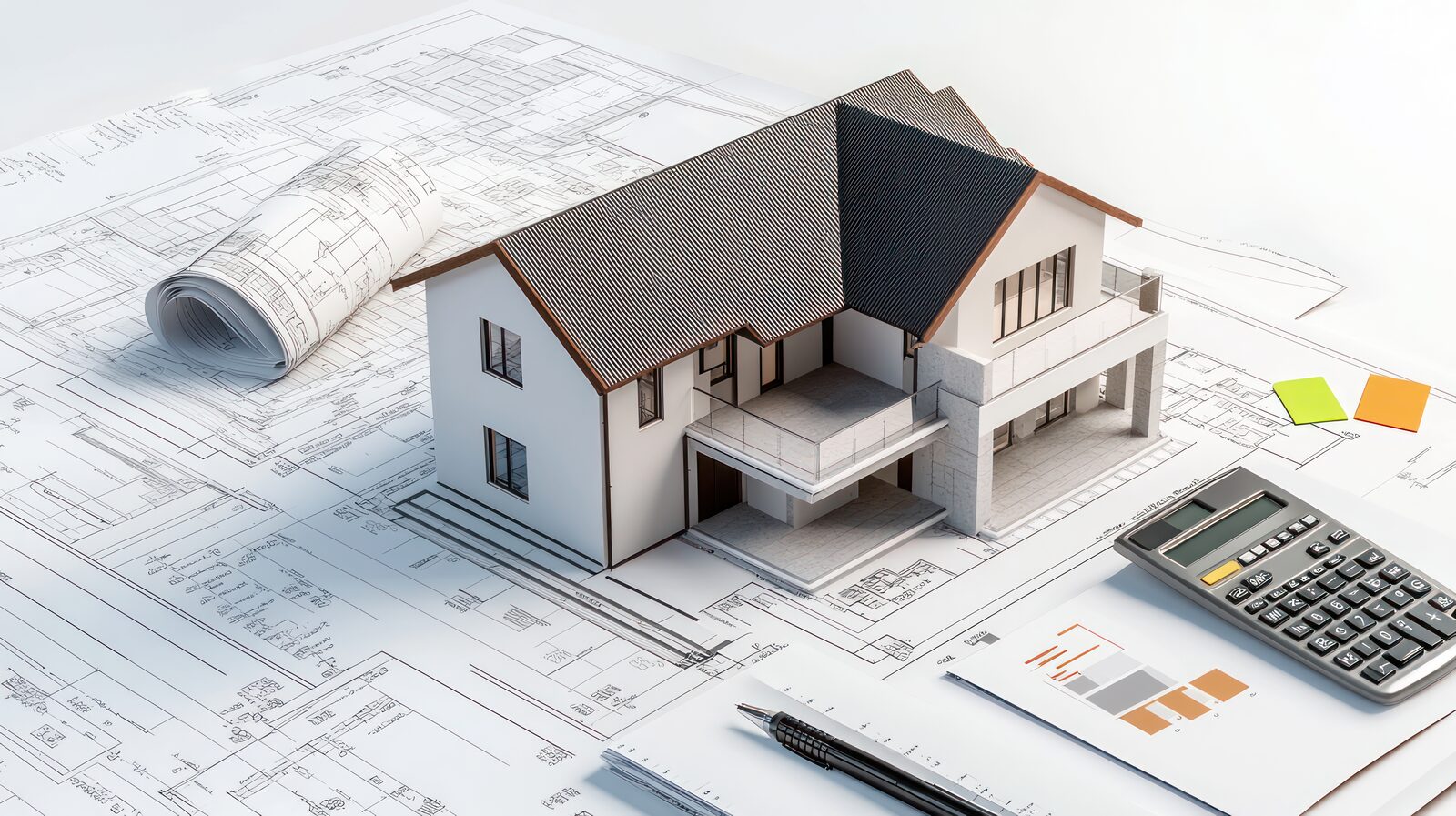
Whether you’re thinking about a duplex, a granny flat, a second storey or a major renovation, the first question isn’t what you want to build — it’s what your block actually allows. On the Gold Coast, your zoning, overlays, setbacks and site dimensions all have a say before a single line ever gets drawn.
Most people come to me with a design already in their head, and I’d rather you find out what the block will carry before you spend money on plans — not after.
What you can build on your Gold Coast block is decided by a handful of things — your zoning, lot size and frontage, setbacks, site cover, building height limits, any overlays, and how the block is serviced and accessed. You can usually establish the headline limits before paying for a full design. Feasibility first, design second. Two blocks on the same street can have very different potential, so the honest answer always comes from checking your specific site — not a general rule of thumb. Design Science can help interpret those constraints and prepare the design documentation, but it does not issue approvals or act as council or your building certifier.
I hold both a building designer licence and a builder’s licence, so I look at a block from two angles at once: what the planning rules let you draw, and what it’ll realistically cost to build there. This guide walks through what actually sets the limits, how to look it up, and how to tell early whether your idea fits — so you’re spending money on the right design, not a redraw.
A few controlling factors do most of the work. Get a feel for these and you’ll understand most of what’s possible on your block:
This guide stays deliberately broad across all of these — enough to know what to check and roughly where you stand. Where a topic deserves real depth, I’ve pointed you to a more detailed guide rather than half-explaining it here.
Here’s the short, printable version. It won’t replace a proper assessment, but run down it and you’ll know early whether your idea is in the ballpark:
| Factor | What to look for | Where it bites your project |
|---|---|---|
| Zoning | Your zone and the dwelling types it anticipates | Rules out (or opens up) duplexes and second dwellings |
| Lot size & frontage | Total area and width at the street | Often the make-or-break for a duplex or subdivision |
| Setbacks | Required distances from front, side and rear boundaries | Shrinks your usable footprint, especially on narrow blocks |
| Site cover | Maximum % of the block that buildings can cover | Caps total building size regardless of setbacks |
| Height limits | Maximum height and/or number of storeys | Decides whether a second storey or third level is realistic |
| Overlays | Flood, bushfire, coastal, height/character | Can add floor levels, construction requirements and cost |
| Services & access | Sewer, stormwater, water, power, driveway/access | Hidden costs that can sink an otherwise good site |
| Easements | Any easements registered on the title | Can lock out part of the block from building |
If two or three of these are tight on your block, that’s not necessarily a “no” — but it’s a strong signal to get a feasibility check before you invest in a full design. The rest of this guide explains what each of these actually means.
You can find most of the headline information yourself before talking to anyone. The Gold Coast City Plan has interactive online mapping where you enter your address and see your zone and the overlays that apply to your land. From there you can pull a property report and start reading the relevant codes for your zone.
What to look up first: your zone, the overlays touching your block, and the built-form provisions (setbacks, site cover, height) for that zone. That trio tells you most of what you need for an early feasibility read.
The mapping tells you the rules; it doesn’t tell you the approval process. If you want to understand how a project actually gets approved — assessable versus accepted development, what needs a development application, and how the steps run — read our Gold Coast council approval process guide. This article is about what your block allows; that one is about how you get the tick.
These three terms decide the shape and size of what you can build, so they’re worth understanding properly:
Put together, setbacks define where you can build, site cover caps how much of the block you can cover, and height limits set how far up you can go. That’s your building envelope — and a good feasibility check is really about testing your idea against that envelope before it becomes a design.

Overlays sit on top of your zone and can add rules or constraints. The common ones on the Gold Coast:
If an overlay applies, it doesn’t necessarily stop your project — but it does need to be factored in early, because it can change both the design and the budget. For the detail, see our guide on flood, bushfire and other overlays. I’ve kept it to a paragraph each here on purpose — the point is to know whether to look, not to become an expert in every overlay.
This is where most enquiries land, so here’s the short routing version — then go to the guide that fits:
I won’t re-argue any of those here — each has its own guide. This page is about whether your block can carry the idea in the first place.
If you know you want to improve or develop your property but are not sure where to start, work through the decisions in this order. Each step narrows the next one and helps you avoid paying for detailed work before the basic direction makes sense.
Here’s the trap I see most often: someone falls in love with a design, pays for plans, and only then finds out the block won’t carry it — wrong height, not enough frontage, an overlay nobody factored in. Now they’re paying to redraw.
A feasibility-first approach flips that. Because I’m a licensed building designer and a licensed builder, I can assess three things at once: what the planning rules allow on your specific block, what design realistically fits inside that envelope, and roughly what it’ll cost to build. You find out early whether the idea works — and if it doesn’t quite, you find out why, and what would. That’s a far cheaper place to learn it than halfway through a full design.
When you book a feasibility consultation, you’re paying for clear, site-specific answers about your block — not a generic opinion. We typically work through:
Because I’m both a licensed building designer and a licensed builder, that last point is real — you get the design feasibility and the build-cost reality in the same conversation. You come away knowing whether your idea is realistic, and if it needs adjusting, what would actually fit. That’s the difference between designing once and designing twice.
You can do a lot yourself for free — look up your zoning and overlays on the Gold Coast City Plan mapping and read the relevant codes for your zone. That gives you the headline limits. Where it gets worth paying for is the interpretation: how those rules combine on your block, what design actually fits, and whether the build cost stacks up. That’s the feasibility step.
No. Finding out what your block allows is research you can start straight away — it’s separate from applying for approval. Approval comes later, once you have a design. For how that process works, see our council approval process guide.
That’s set by your setbacks (where you can build), site cover (how much of the block you can cover) and height limits (how far up you can go). Together they define your building envelope. A feasibility check tests your idea against that envelope before it becomes a design.
An overlay doesn’t automatically stop your project, but it adds requirements that affect both design and budget, so it needs to be factored in early. See our guide on flood, bushfire and other overlays.
Often yes, but it depends mainly on your zoning and lot size/frontage. Start with granny flat regulations or duplex design and regulations, then weigh up whether it’s worth it for your situation.
It’s an upfront look at your block, the planning rules and the build-cost reality so you know what’s realistic before committing to a full design. We run this through an initial consultation. Initial consultations are $280, payable before the appointment. If you proceed with design, that amount is credited in full to your design fees. It is deliberately a paid step: it is where you get genuine, site-specific advice rather than a generic guess.
Before you spend a dollar on plans, it’s worth knowing what your block will actually carry. A one-hour feasibility conversation can save weeks of redesign — and potentially thousands of dollars spent developing plans that were never going to work.
If you’d like a feasibility-first read on your site — zoning, overlays, what fits and what it’ll cost to build — request a consultation and we’ll go through it properly. Initial consultations are $280, payable before the appointment. If you proceed with design, that amount is credited in full to your design fees.
David Steadman
Licensed Builder & Building Designer
David Steadman is the founder of Design Science, a Gold Coast building design practice backed by over 30 years of hands-on construction experience. One of few Australians holding both a QBCC Builder's Licence and Building Designer licence, David brings a rare combination of design thinking and practical building knowledge to every project.
Fully insured • Personalised consultation • Transparent pricing
Transparent pricing with no hidden costs. 3D modelling and construction documentation are provided as set out in your agreed design scope. A complete bill of quantities can be provided at additional cost.
Request a Consultation

